WHO has started its 2026 appeal to help millions affected by conflict, displacement and disasters access health care.
The agency is seeking nearly Sh129 billion to respond to 36 emergencies globally, warning that shrinking humanitarian funding is leaving the most vulnerable without life-saving medical services.
The appeal, unveiled on Tuesday, says the emergencies range from sudden-onset disasters to protracted conflicts where health needs remain critical.
The agency said the appeal builds on its emergency work in 2025, when WHO and its partners supported 30 million people through its annual emergency funding.
According to WHO, those resources helped deliver life-saving vaccinations to 5.3 million children, enabled 53 million health consultations, supported more than 8,000 health facilities and facilitated the deployment of 1,370 mobile clinics.
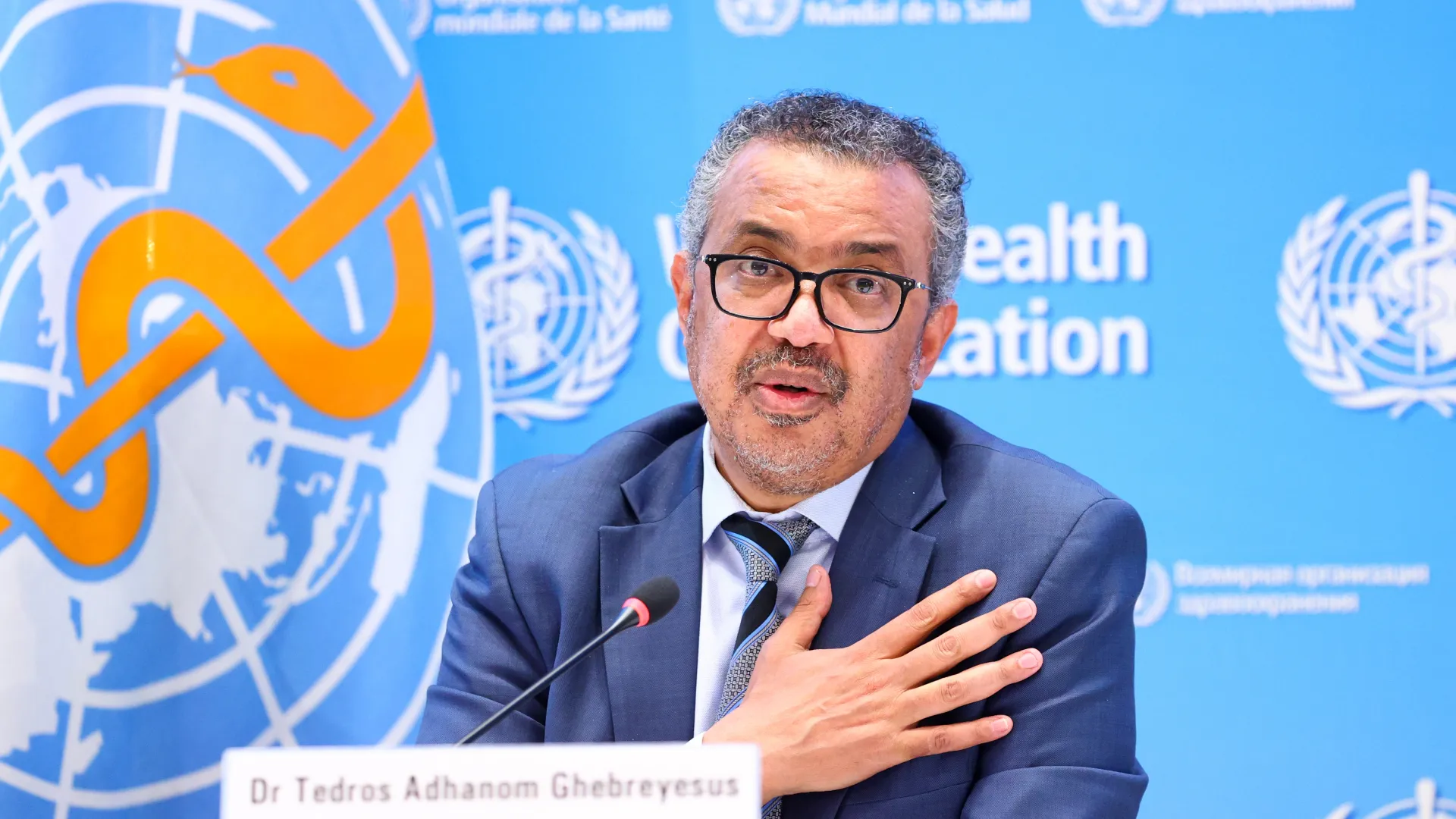
Announcing the new appeal, WHO Director-General Tedros Adhanom Ghebreyesus said, “This appeal is a call to stand with people living through conflict, displacement and disaster, to give them not just services, but the confidence that the world has not turned its back on them.”
He added, “It is not charity. It is a strategic investment in health and security. In fact, access to health care restores dignity, stabilizes communities and offers a pathway toward recovery.”
WHO said the 2026 appeal comes at a time of mounting global pressures. Protracted conflicts, the escalating impacts of climate change and recurrent infectious disease outbreaks are driving up demand for emergency health support, while humanitarian financing continues to shrink.
In 2025, global humanitarian funding fell below 2016 levels, leaving WHO and its partners able to reach only one-third of the 81 million people initially targeted to receive humanitarian health assistance.
The organisation warned that without renewed commitments, millions of vulnerable people will remain without access to basic health services.
The priority countries and territories identified in the 2026 response include Afghanistan, the Democratic Republic of the Congo, Haiti, Myanmar, the occupied Palestinian territory, Somalia, South Sudan, Sudan, the Syrian Arab Republic, Ukraine and Yemen. WHO also highlighted ongoing outbreaks of cholera and mpox as major areas of concern.
As the lead agency for health response in humanitarian settings, WHO coordinates more than 1,500 partners across 24 crisis settings globally.
The organisation says this coordination ensures national authorities and local partners remain central to emergency responses.
Speaking as co-chair at the launch event, Ireland’s Permanent Representative to the United Nations Office in Geneva, Ambassador Noel White, said, “Every humanitarian crisis is a health crisis. That is why Ireland is proud to support the WHO emergency response through unearmarked, flexible and predictable funding of the Contingency Fund for Emergencies.”
Norway’s Deputy Permanent Representative to the UN Office at Geneva, Marita Sørheim-Rensvik, also addressed the event, saying, “In today’s most complex emergencies, WHO remains indispensable, protecting health, upholding international humanitarian law, and ensuring life-saving care reaches people in places where few others can operate.”
She added that WHO’s role extends from safeguarding access to sexual and reproductive health and rights to supporting frontline health workers under immense strain, and called on member states to strengthen their support.
WHO outlined its core emergency actions for 2026, which include keeping essential health facilities operational, delivering emergency medical supplies and trauma care, preventing and responding to disease outbreaks, restoring routine immunisation and ensuring access to sexual, reproductive, maternal and child health services in fragile and conflict-affected settings.
The organisation stressed that early and predictable investment allows rapid response when crises strike, reducing deaths, containing outbreaks and preventing health emergencies from escalating into wider humanitarian and security crises.
Despite difficult funding choices, WHO said its remaining interventions are the most impactful.
With the requested resources, the agency says it can sustain life-saving care in the world’s most severe emergencies, while helping communities move toward recovery and stability.































Comments
Sign in with Google to comment, reply, and like comments.
Continue with Google